
Connectivity and digital infrastructure: WiFi for the education campus and an extensive LoRaWAN network spanning the park
Partners: Uganda Conservation Foundation (UCF), Uganda Wildlife Authority (UWA), Cisco, Actility
Key Species: Chimpanzee, African elephant, Rothschild’s giraffe, lion, Uganda kob, hippo, buffalo, pangolin
Deployment: 2025
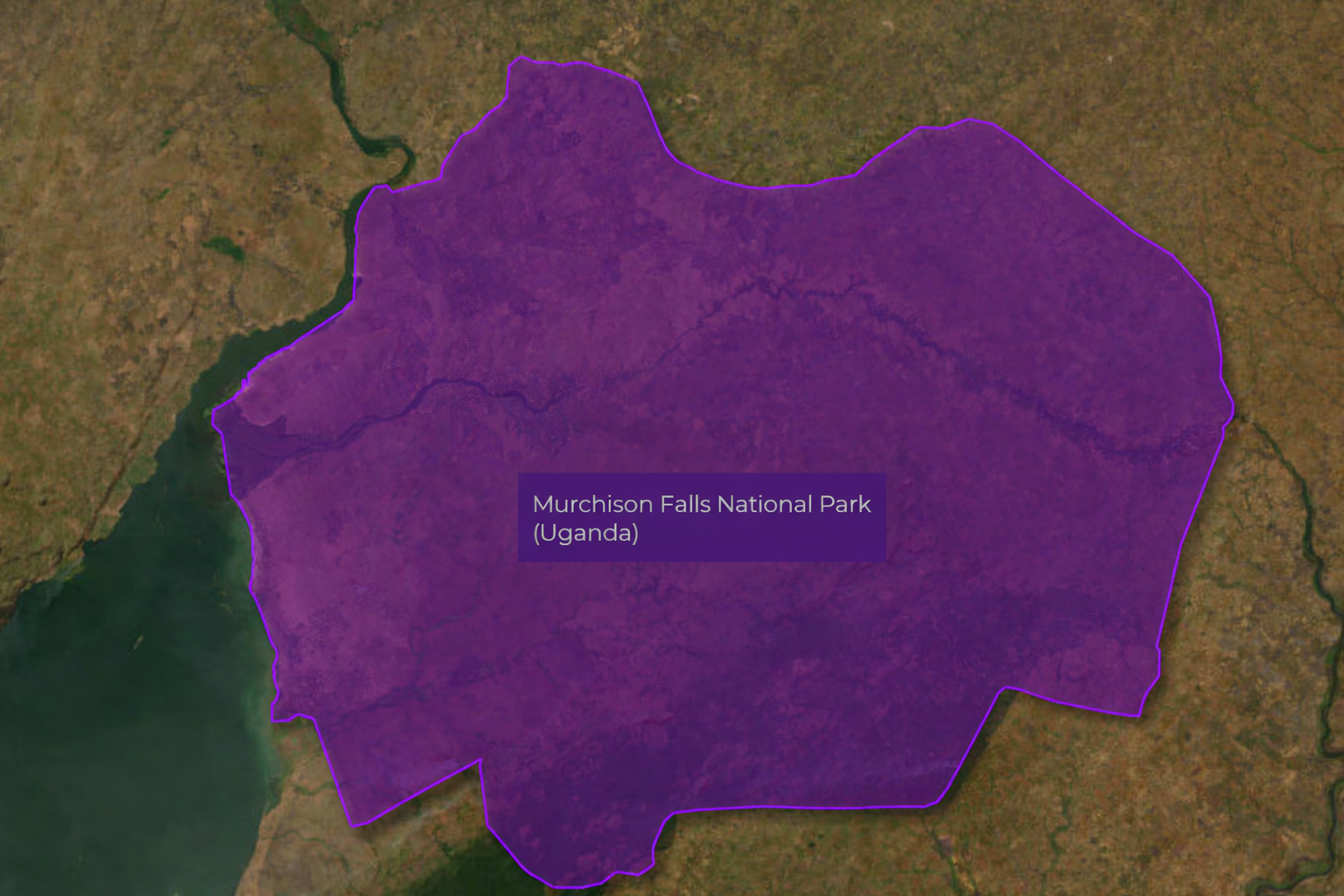
Murchison Falls National Park, Uganda’s largest, oldest and renowned Protected Area, is famed for the world’s most powerful waterfall, which surges with such force that the ground trembles. Covering 3,840 km², the park shelters over 70 mammal species, including an astonishing 500-600 chimpanzees, as well as 450 bird species. But decades of war, political unrest and extensive poaching, mostly through snaring, have taken a devastating toll. By 1995, the elephant population plummeted to just 200 individuals (1% of its former size), and chimpanzee numbers continue to decline, signalling a crisis for the ecosystem.
CCF, Cisco and Actility have enabled reliable WiFi for the new education campus and the park’s operations centre and LoRaWAN connectivity across the reserve. This support enhances community education and ranger training, while bolstering conservation efforts and wildlife monitoring at Murchison Falls National Park.
CCF played a convening role in this public–private partnership, uniting the Uganda Conservation Foundation (UCF), the Uganda Wildlife Authority (UWA), and private sector partners Cisco and Actility. The CCF team helped design, secure and implement this digital infrastructure. By aligning government leadership, NGO expertise and private sector innovation, the partnership has mobilised co-financing, technical knowledge and proven connectivity solutions. This will help accelerate digital accessibility for communities and conservation, strengthening park operations, improving data-driven decision-making and building long-term capacity to protect wildlife and support surrounding communities.
Connectivity to support ranger training and community education
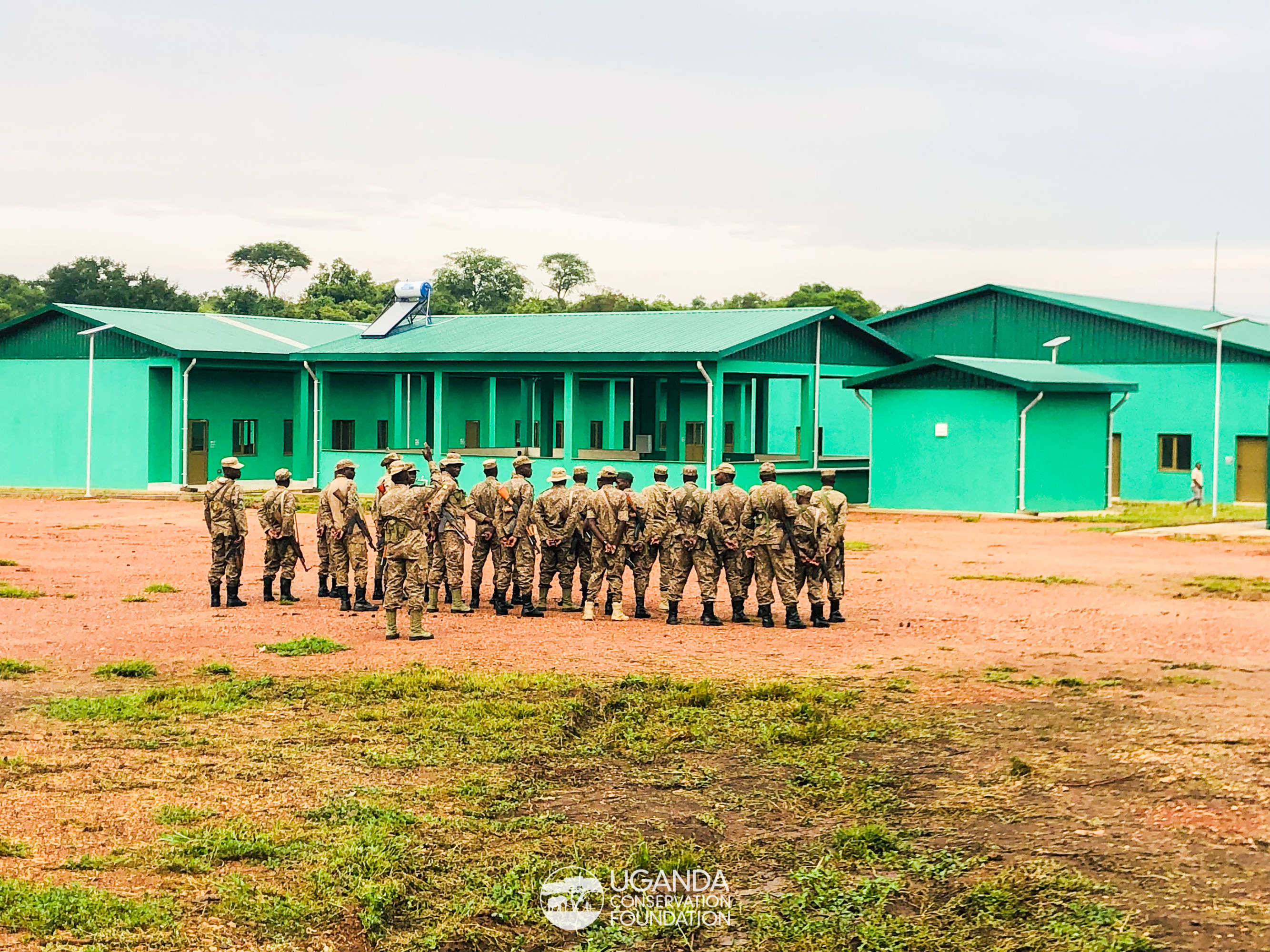
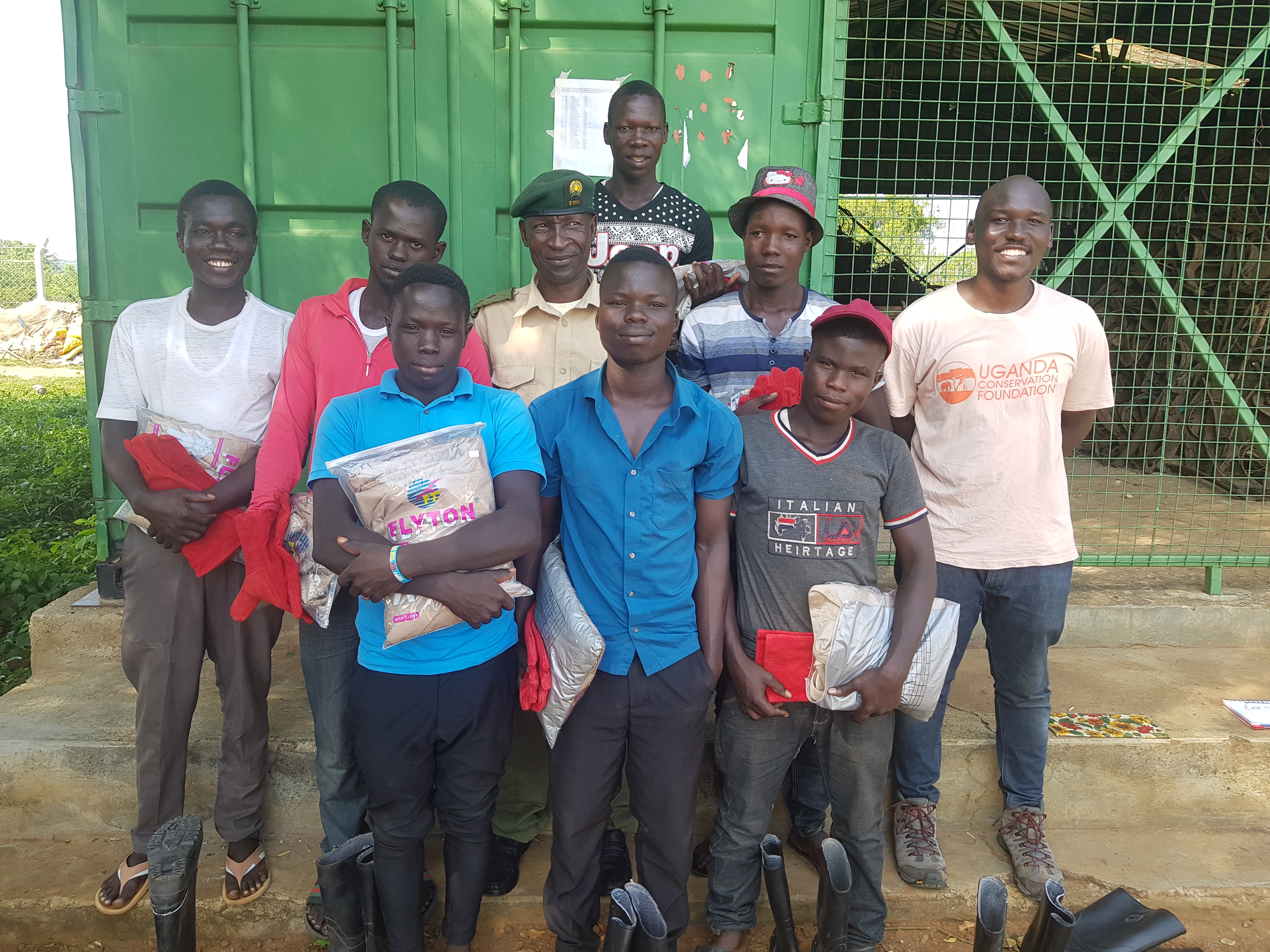
Lasting conservation depends on shared benefits for both wildlife and the communities. UCF and UWA are rebuilding wildlife populations while expanding ecotourism in ways that create local jobs and strengthen livelihoods. Central to this effort is the Uganda Wildlife Authority Academy, which opened in 2024 and has quickly become a national hub for anti-poaching, intelligence gathering and law-enforcement training, bringing new employment opportunities to the region.
Built by the Uganda Conservation Foundation (UCF) in partnership with UWA, the academy was designed to address long-standing gaps in skills, access and connectivity. Community engagement and the employment of local people have been fundamental, both in constructing the facility and in its ongoing operation and maintenance. With support from Cisco and CCF, the campus will be upgraded with six high-capacity Wi-Fi access points, improving reliable digital connectivity, helping enhance training to 500+ rangers and boosting environmental education and digital outreach to nearby communities.
Landscape-scale LoRaWAN Connectivity for Protected Area Management
For the rangers charged with protecting the vast Murchison Falls landscape, the challenges are immense. Just 500 rangers patrol a park that ideally needs 1,500. Facing gunfire, life-threatening wounds from snares, wildlife, and poor communications (under 10% coverage), rangers risk their lives daily protecting Uganda’s wildlife.
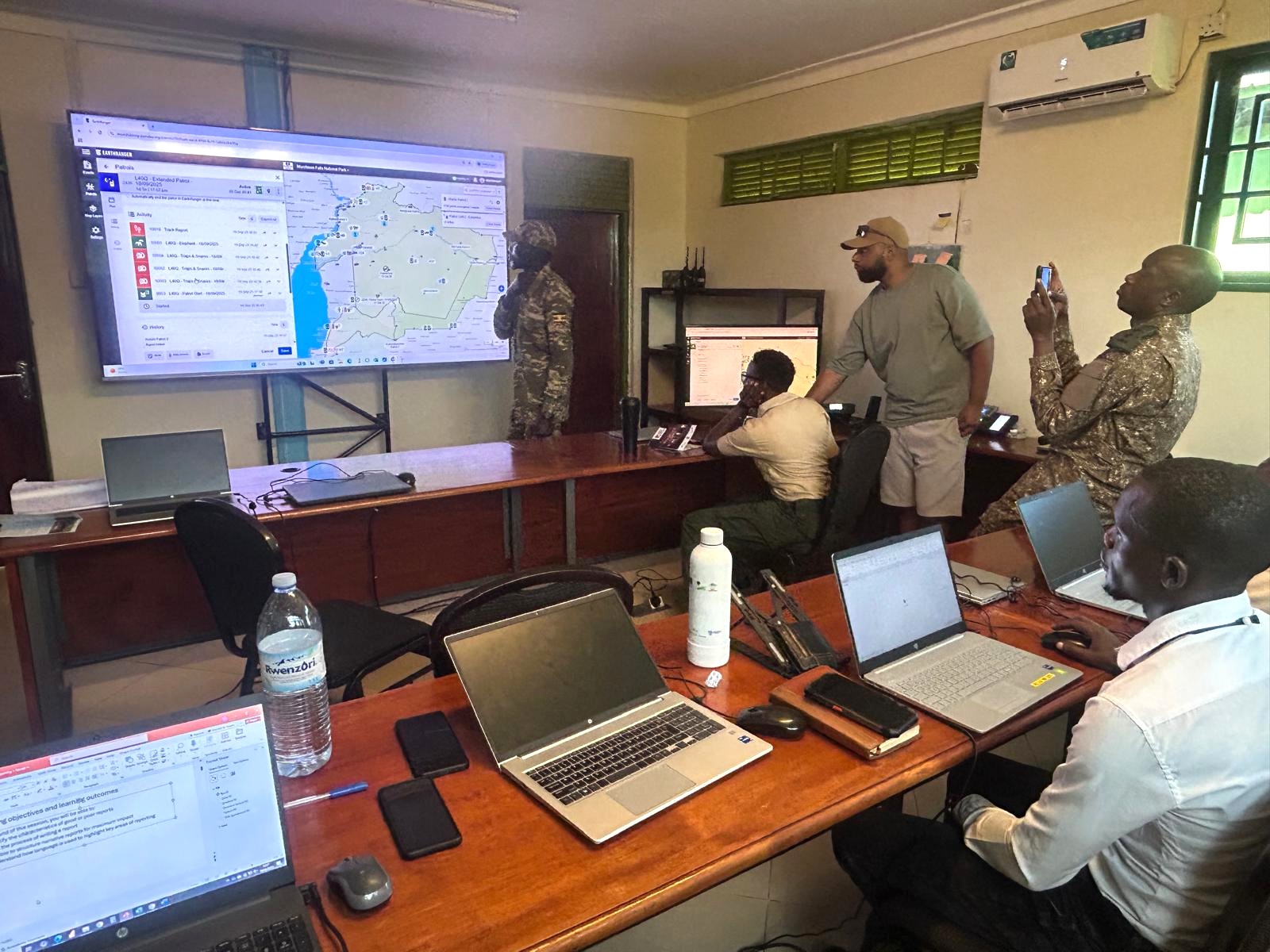
Collaboration among cross-sector partners ensures the LoRaWAN network enables teams to connect sensors and monitor across ranger, wildlife, vehicles and infrastructure into a unified, real-time system. Eight LoRaWAN gateways across Murchison Falls feed this wealth of data via Actility LoRaWAN Networks Server into EarthRanger, a centralised platform that visualises conservation intelligence and supports coordinated decision-making.
The network is expected to help deliver on-the-ground benefits, including more effective anti-poaching and snaring operations, through improved wildlife tracking, sensor alerts and enhanced environmental monitoring across the Protected Area.