
Digital Infrastructure to support community education and nature protection at Lapalala Wilderness
Partners: Lapalala Wilderness Foundation, Cisco, Actility
Key Species: Black rhino, white rhino, sable antelope, cheetah, pangolin, African wild dog
Deployment: 2025
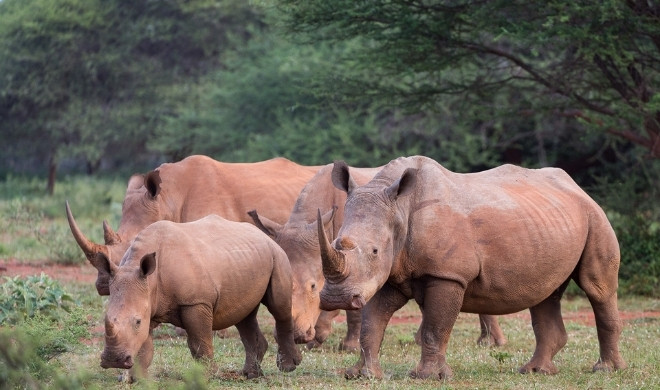
Lapalala Wilderness Foundation is an exceptional conservation legacy spanning breathtaking and diverse habitats in the Waterberg region of Limpopo Province, South Africa. Founded in 1981, Lapalala has been a pioneer in private wildlife conservation, spearheading the reintroduction of black and white rhinos and protecting threatened species including sable antelopes, cheetahs, pangolins and African wild dogs.
CCF, Cisco and Actility have donated a holistic digital infrastructure to help Lapalala connect its unique landscape and community education facilities, bringing benefits for wildlife and local people.
Connectivity for education
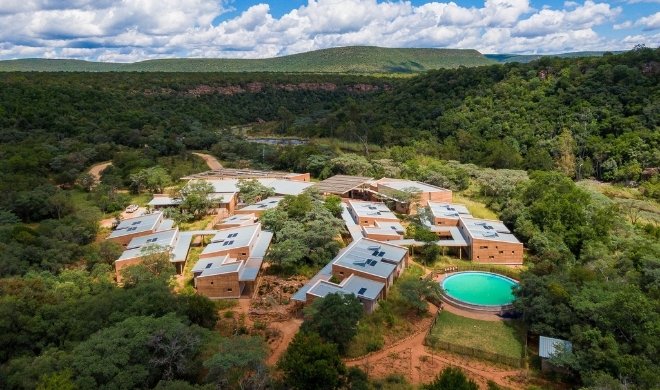
The reserve combines rigorous biodiversity protection with a groundbreaking environmental education program, emphasising the interconnectedness of people and nature. Lapalala Wilderness School, situated within the reserve, helps 3,000 students annually, from local village children to university-level learners. Partnering with over 400 schools, the campus connects conservation education to the wider community. With support from CCF and partners, the school is rolling out a campus-wide Wi-Fi network designed using Cisco Meraki best practices. The scalable network will deliver secure and reliable internet access, enabling digital learning, teacher development and better outreach to remote communities.
Connectivity for landscape, wildlife protection and management
In 2025, CCF deployed a robust LoRaWAN (low-power, wide-area) network across 48,000 hectares of wilderness to strengthen park management and wildlife protection. A full LoRaWAN ecosystem, including gateways, servers and a wide range of sensors, has been donated and deployed, supporting wildlife tracking, environmental monitoring, infrastructure oversight, security monitoring and asset management across 48,000 hectares.
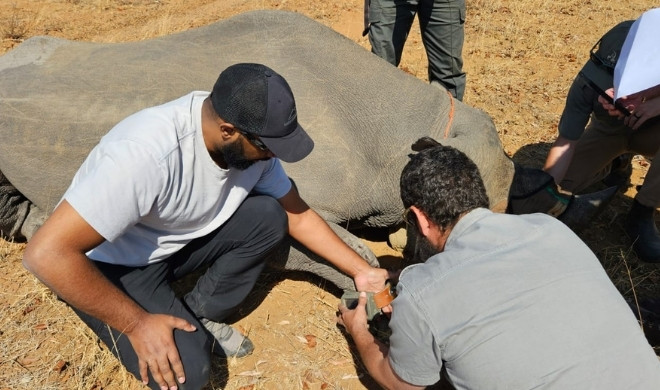
A suite of advanced LoRa sensors will map and monitor the movements of rhinos, cheetahs and African wild dogs, delivering data that guides conservation strategies and helps reduce human–wildlife conflict.
The network also supports near real-time monitoring of critical infrastructure—including vehicles, personnel and movable assets—to enhance operational efficiency. Additional sensors will track water and fuel levels, borehole pump performance and power usage, while soil-moisture data will enable smarter land and resource management. It will further provide oversight of electric perimeter fences and access-point surveillance. With 70 LoRa sensors already deployed across the reserve, Lapalala is building a digitally connected ecosystem that strengthens both conservation outcomes and operational effectiveness.