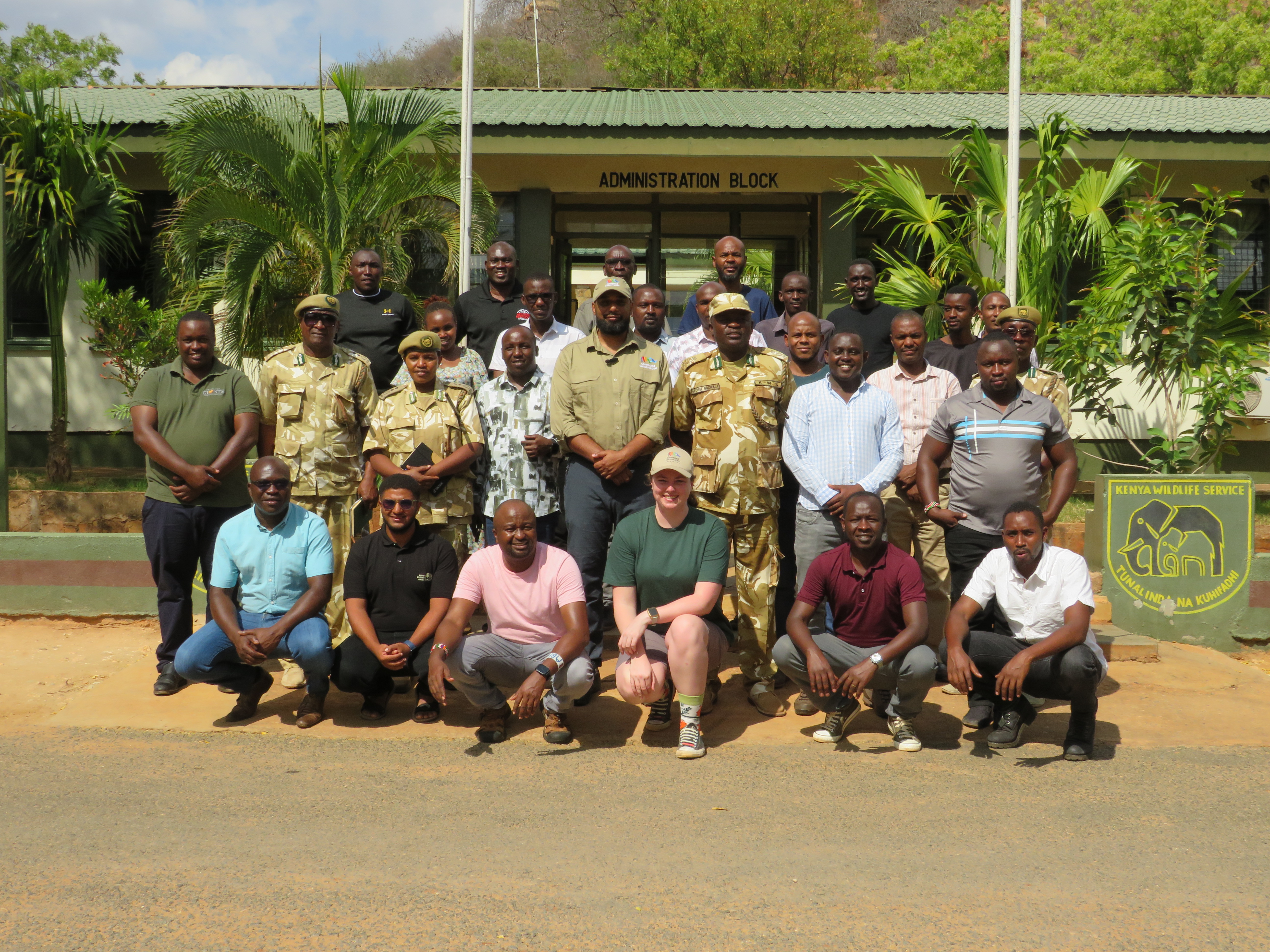

IoT LoRaWAN Training 2025 | Manyani, Kenya
Intensive IoT training for 13 field technicians, focused on deploying, managing and troubleshooting connected technology in the field.
Across Kenya's conservation landscapes, connected technologies help teams monitor wildlife, track assets, and make more informed decisions. But every functioning network requires the technical expertise to install, manage and maintain it.
A five-day Protected Area Technician (PAT) IoT administration course, delivered by Connected Conservation Foundation (CCF) at the Kenya Wildlife Service (KWS) Law Enforcement Academy in Manyani in November 2025, focused on building that local expertise.
Bringing together participants from KWS and 13 conservancies and conservation organisations across Kenya, the training moved beyond theory to give technicians hands-on experience of configuring IoT devices, deploying networks and troubleshooting the systems that keep conservation data flowing. The goal was to equip participants with the skills and confidence to manage and expand these connected IoT systems independently, strengthening long-term technical capacity within Kenya's conservation organisations.
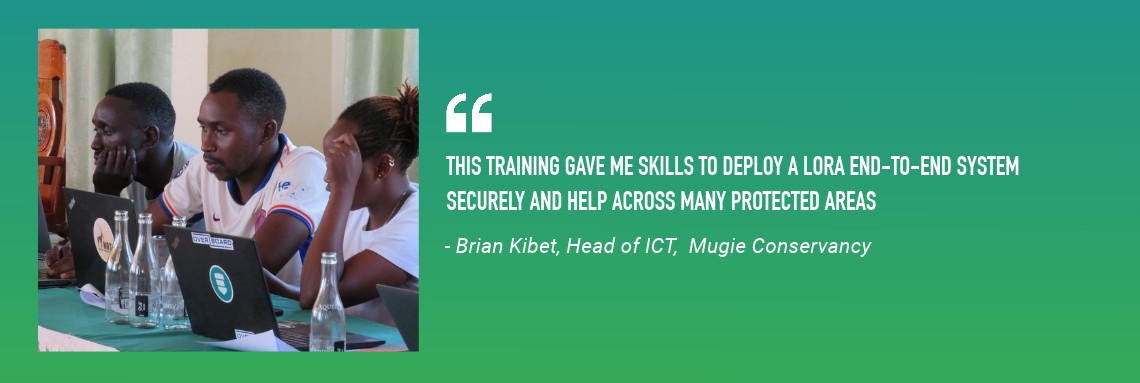
Learning by doing: From sensor to insight
How does data travel from a sensor in the field to the conservation teams who need it? And what happens when something stops working along the way?
These were among the practical challenges explored throughout the five-day course. Working with LoRaWAN hardware, Actility's ThingPark Enterprise (TPE), Connected IoT and EarthRanger, participants learned how each component of a conservation IoT system connects, and how to configure, manage and troubleshoot the complete technology stack.
Over five days, participants developed practical skills in:
- LoRaWAN network fundamentals: Understanding the ecosystems, gateways, sensors, network architecture, device security and field connectivity.
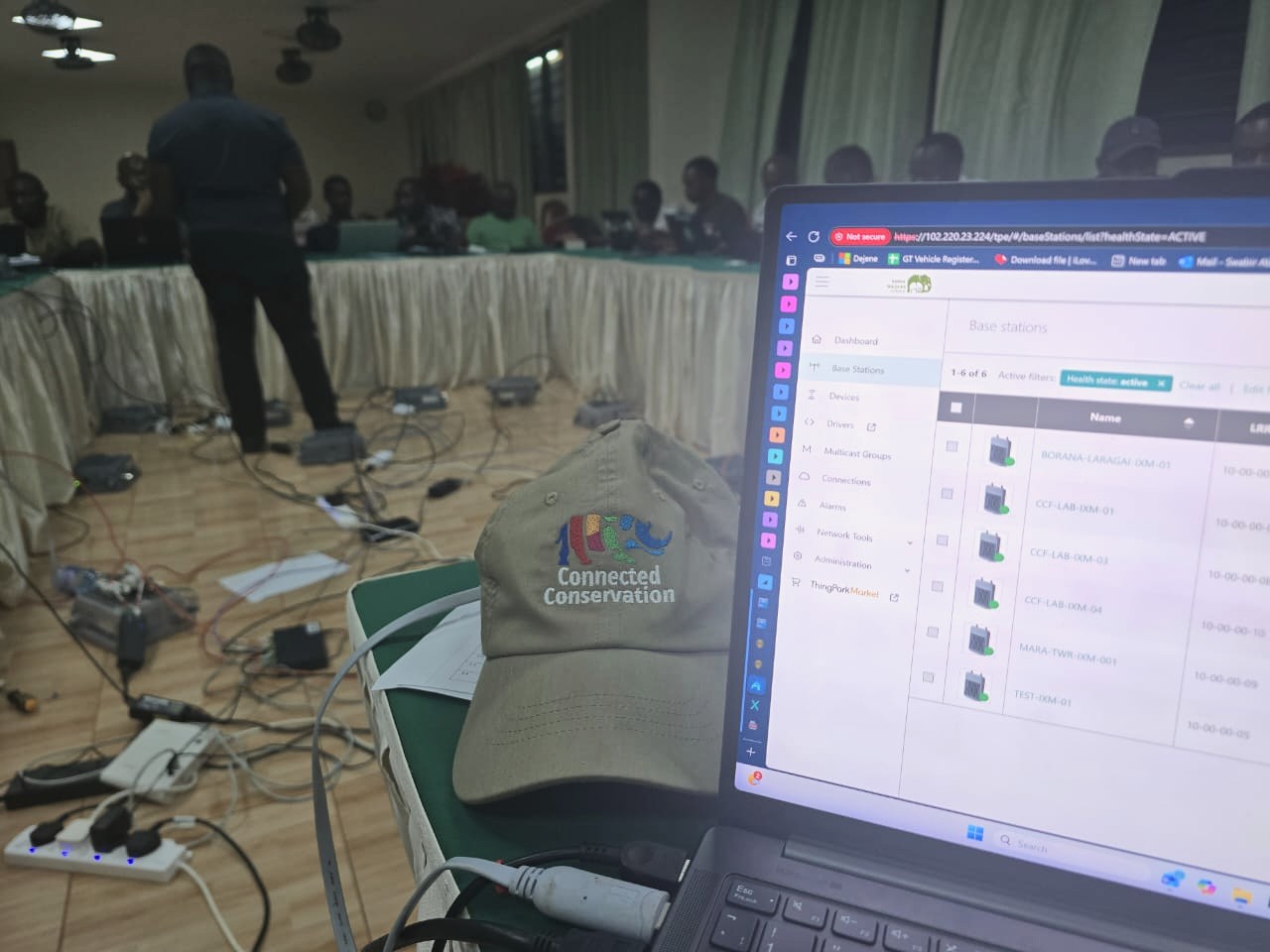
- Gateway deployment and management: Configuring gateways, registering them in Actility TPE, monitoring network health and diagnosing connectivity issues.
- Sensor configuration and onboarding: Registering devices, managing identifiers and secure encryption keys, assigning device profiles and connecting sensors to the network.
- End-to-end IoT and EarthRanger integration: Connecting LoRaWAN networks to the Connected IoT application server, configuring APIs and webhooks, and visualising sensor data within EarthRanger.
- System troubleshooting: Tracing data across the complete technology stack to identify and resolve simulated network, device and integration failures.
- Network planning and practical deployment: Designing LoRaWAN networks for conservation landscapes, identifying suitable gateway locations, selecting sensors and considering long-term maintenance requirements.
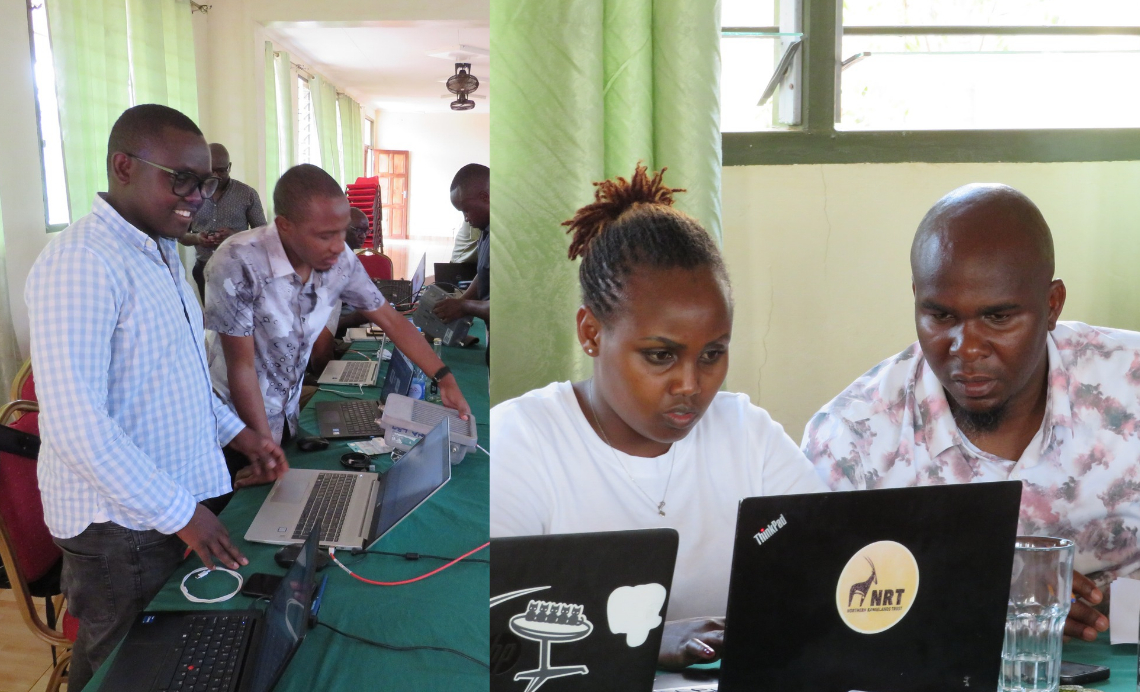
Putting skills into practice
Participants progressed from configuring individual gateways and sensors to establishing complete, functioning IoT systems and following data through each stage, from the field device to the operational platform. Practical exercises and simulated technical failures challenged technicians to identify problems, diagnose their causes and restore connectivity, building the troubleshooting skills needed to keep conservation networks operational in remote environments.
The training culminated in network design exercises and a 'bring your own device' clinic, where participants onboarded their own gateways and sensors to apply their learning directly to equipment used in their protected areas. By working through real deployment scenarios, technicians gained practical experience they could take back to their organisations and apply to the connected systems they manage.
Training impacts
Since completing the course, participating technicians have onboarded more than 300 tracking sensors across Kenya's conservation landscapes, with deployments continuing to grow, demonstrating how strengthening local expertise and peer-to-peer networks can translate into practical outcomes: more connected devices, expanding networks and greater capacity within conservation organisations to manage their own technology infrastructure.