

Takeaways from the Kenya Conservation Technology and Drone Conference
We recently joined global partners at the Global Conservation Tech & Drone Forum in Nairobi, Kenya, that brought together practitioners, policymakers and innovators to explore how equity, inclusion and collaboration can shape the future of conservation technology.
Published: 17 March 2026
As the conference week unfolded, global headlines brought unsettling reminders of instability and uncertainty. Yet at the Global Conservation Tech & Drone Forum in Nairobi, Kenya, people from across the world united around a shared mission: exploring how collaboration and conservation technology can support communities, wildlife, women and the next generation of conservation leaders.
Across four inspiring days, practitioners, policy leaders, technologists, researchers and community representatives exchanged ideas, shared experiences, and built new partnerships. The forum combined hands-on practical training, real-world use cases and honest conversations about the future of conservation technology.
Here are our reflections and themes that stood out:
Day 1: Women Leading Conservation Technology
The forum opened by celebrating women driving conservation. From helicopter and drone pilots to leading veterinarians and technology innovators, the session highlighted the trailblazers shaping the future of the field.
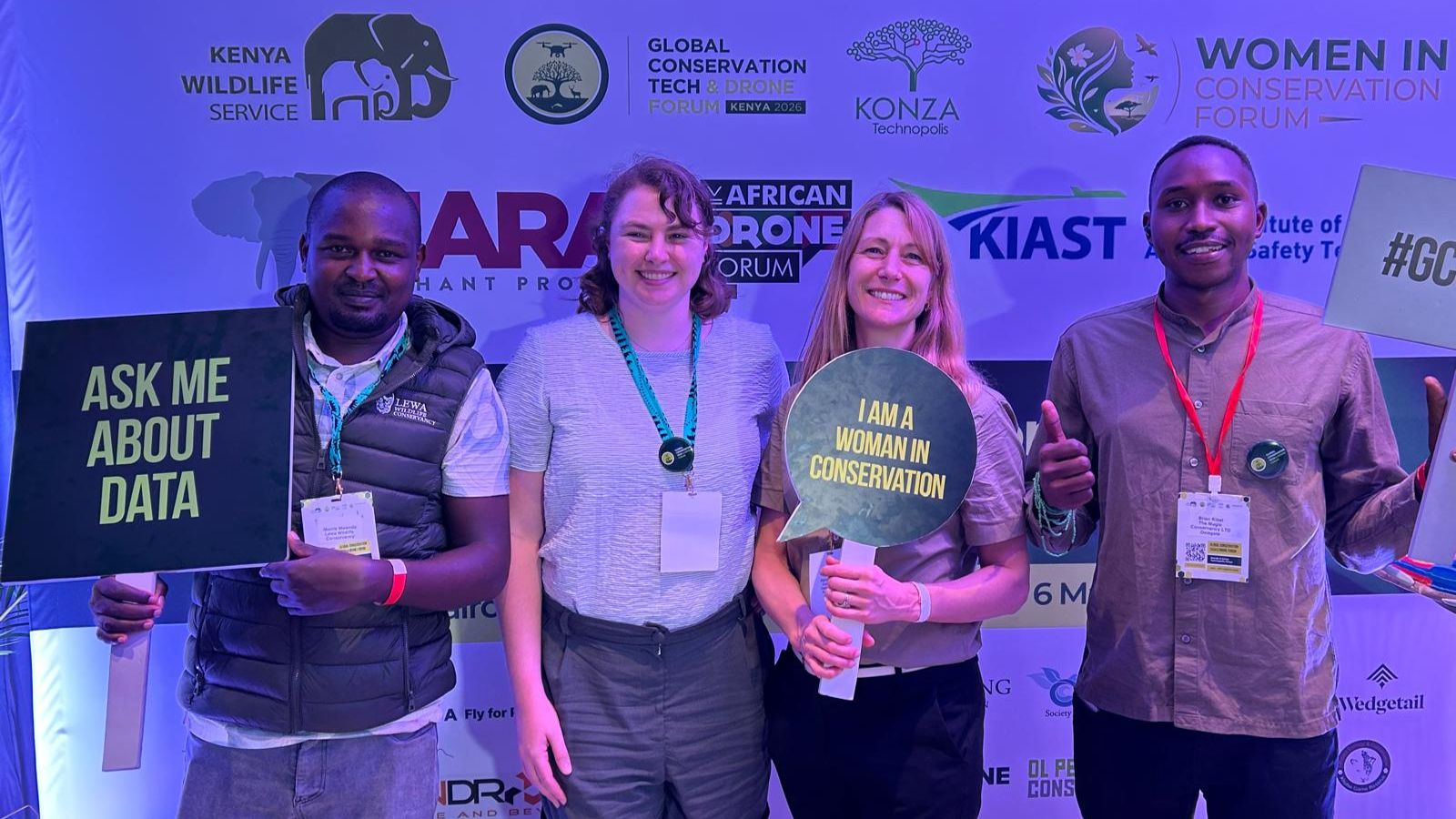
Powerful reflections from Kenya Wildlife Trust’s Arnolda Shiundu and other speakers reminded us that representation matters. When women lead in conservation technology, they inspire the next generation to follow. The message was clear: we must do more to elevate and support women across the sector.
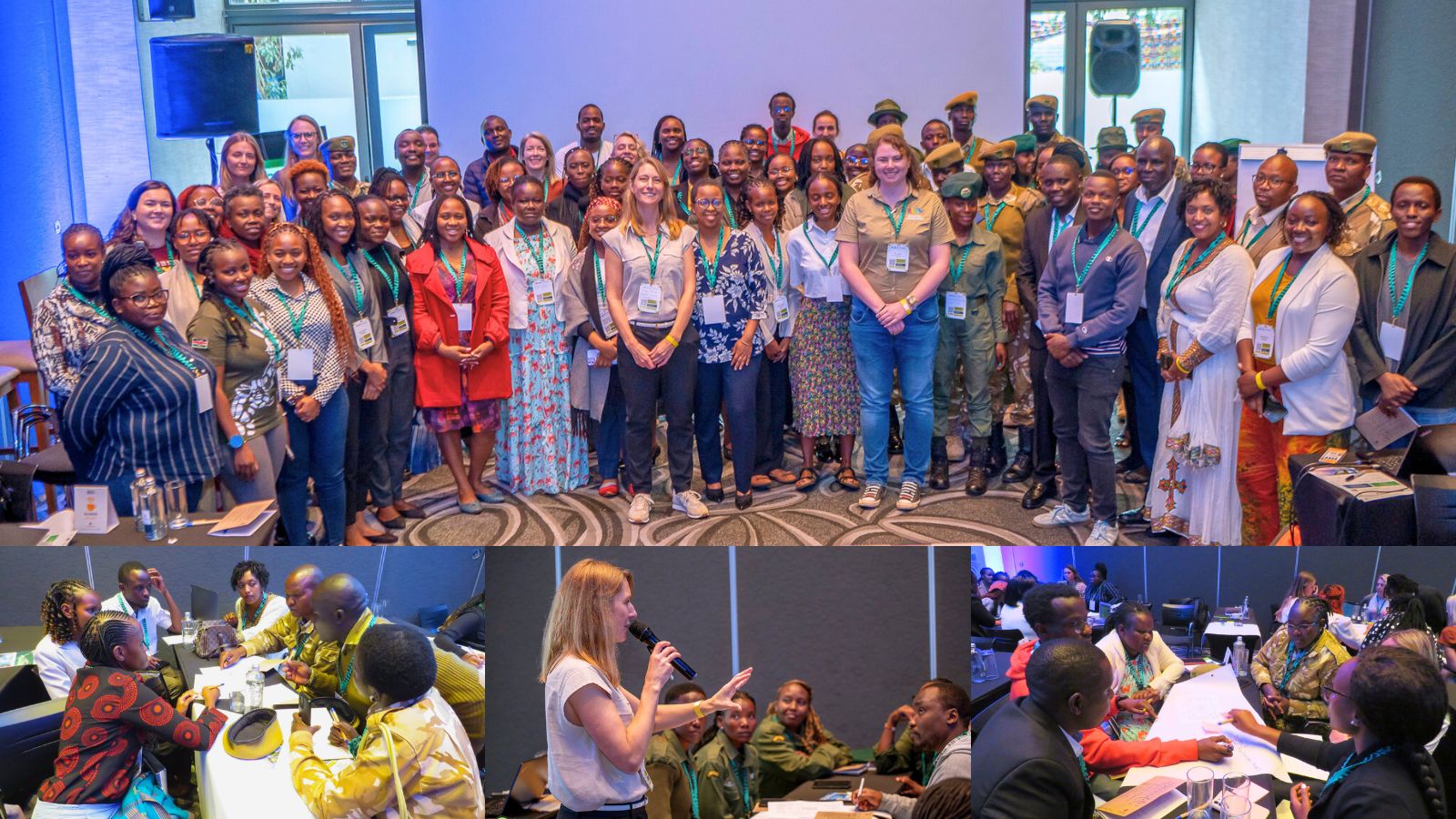
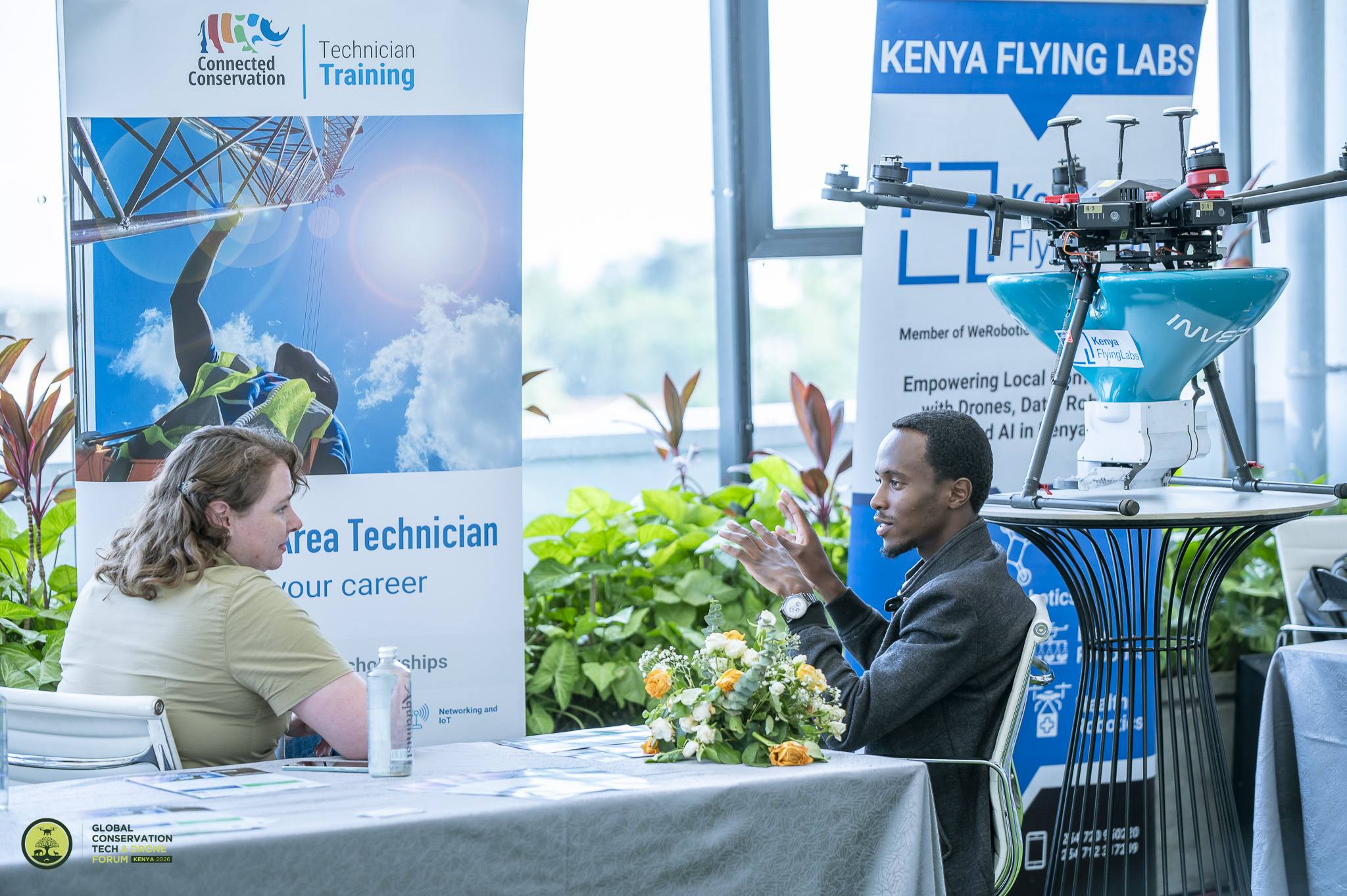
>> CCF contribution | Protected Area Technician (PAT) Training - Taster session
Our Executive Director, Sophie Maxwell, facilitated an interactive session exploring partnerships and career development pathways in conservation technology. Tools only deliver impact when they are adopted, trusted and integrated into everyday conservation practice. CCF’s session explored the roles and enabling conditions that help make this possible, across strong partnerships, governance, technical skills and motivations.
Day 2: World Wildlife Day and Systems Thinking
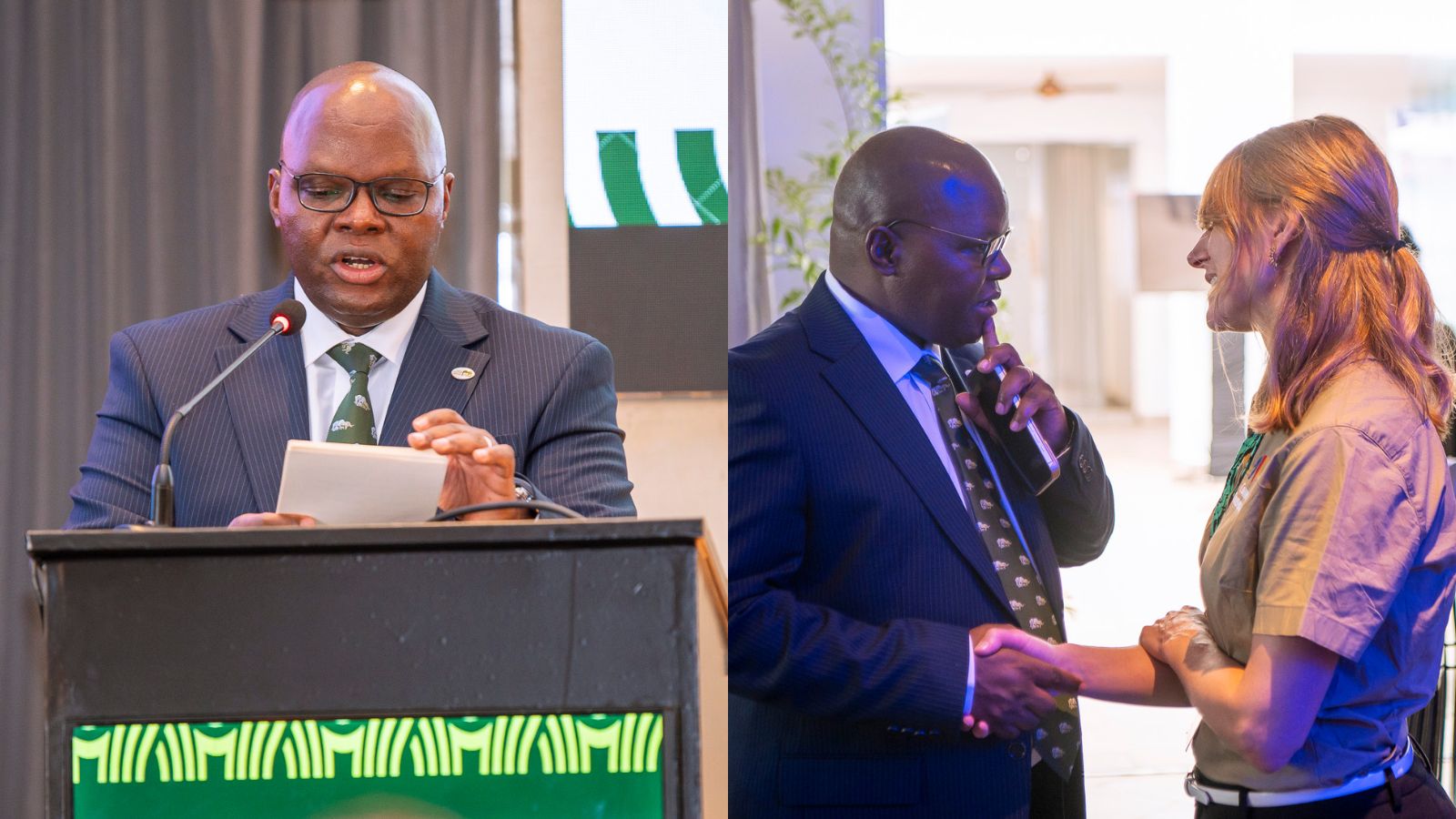
Coinciding with World Wildlife Day, the event was officially opened by the Kenya Wildlife Service’s (KWS) Director General. Prof. Erustus Kanga, who set the tone for a week focused on collaboration and systems thinking.
A central theme was the shift toward integrated conservation intelligence systems that enable seamless data flow from field collection to local and regional operational decision-making and national conservation policy. Debates were lively and important. Local stakeholders emphasised the need to ensure technology projects are equitable, self-sustaining, locally governed and mindful of how data is collected and used.
>> CCF contribution | Co-operative Sovereign Digital Infrastructure
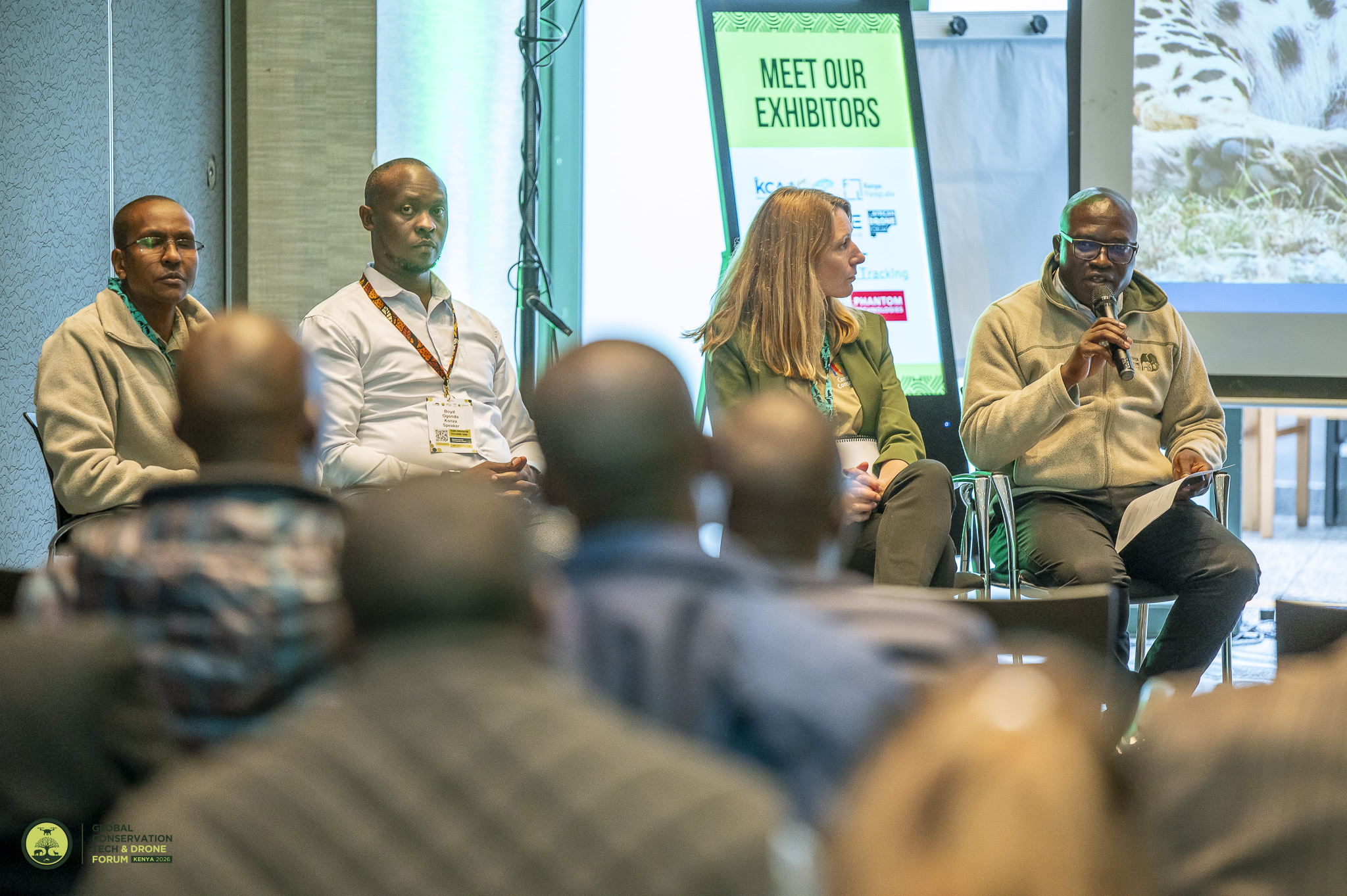
A panel discussion featuring Victor Matsanza and Samuel Muchina (KWS), Boyd Ogonda (Konza Technopolis), Sophie Maxwell and Laura Hoad (CCF) introduced Kenya’s cooperative, sovereign LoRaWAN infrastructure for conservation. The conversation explored how nationally governed digital infrastructure can enable “Smart Biospheres” by providing reliable LoRa connectivity for real-time monitoring of wildlife, rangers, environmental conditions and conservation assets.
The panel highlighted the cooperative model underpinning the platform, which currently supports 23 conservation partners, and aims to ensure wildlife tracking data remains stored and governed within Kenya while keeping the system financially sustainable.
Day 3: The Expanding Role of Drones
Now equipped with high-resolution cameras, thermal sensors and AI, drones have the potential to autonomously collect ecological data more efficiently than traditional surveys.
Participants shared a range of emerging applications:
- AI-assisted wildlife monitoring that identifies species and assesses animal body condition from aerial imagery
- 3D photogrammetry that builds detailed models of animals and habitats to track ecosystem change
- Drone-supported approaches to mitigating human–wildlife conflict by alerting communities when animals approach crops and helping to drive animals away.
However, there was great emphasis on ensuring that ground-truthing and local knowledge remain crucial. A clear message echoed throughout the day: drones must always be grounded in ethics and community engagement. Drones often operate in landscapes where people live and work daily, and projects that collect data without local involvement risk reinforcing inequalities. Communities should not just assist with data collection; they should guide it and serve as collaborators who share in the benefits, through training and data access for local decision-making.
Day 4: Conservation Intelligence Systems Summit (CISS)
The final day shifted the conversation from technology pilots to achieving operational systems at scale.
Many conservation tools, from satellite monitoring to camera traps and data platforms, have been proven. The challenge now is less about inventing new tools and more about building the enabling conditions, including People, Policy, Finance and Technology, that allow existing tools to work together more effectively. Key discussions focused on how national systems, governance structures and shared data standards could help ensure information flows effectively from field teams to decision-makers.
>> CCF contribution | National Biodiversity Digital Readiness Assessment Tool
CCF contributed to discussions by presenting our partnership with the United Nations Development Programme on the National Biodiversity Digital Readiness Assessment Tool. The session explored how countries and conservation partners can assess their digital readiness across Technology Systems, Data Exchange, Connectivity, People, Governance, Policy and Finance, at both landscape and national scales.
The tool aims to help countries and conservation areas in identifying gaps and opportunities within their digital ecosystems, supporting the development of high-level strategic technology roadmaps that enable more coordinated, data-driven biodiversity conservation.
>> CCF contribution | Developing People as Key Enablers
CCF’s Laura Hoard presented the Protected Area Technology (PAT) Training Program, focusing on strengthening technical capacity within conservation teams. In a lightning talk, the session highlighted how PAT training equips local practitioners with the knowledge and practical skills needed to install, maintain and manage conservation technologies. By building in-country technical capacity, the program helps ensure conservation technologies continue delivering impact over the long term across protected areas in Africa, Asia and Latin America. (Free enrolment available here: Protected Area Technology (PAT) Training Programme.
In summary, key themes from the week:
1. Integration and operationalisation
The conservation technology ecosystem has matured significantly. Sensors, analytics platforms and monitoring tools have advanced and are deployed in the field. The next step is ensuring integration into decision-making systems at different levels that support real-world outcomes for communities, wildlife, landscapes and ecosystems alongside national policy.
2. Enabling environments
Technology alone is not enough. Success depends on the surrounding ecosystem: strong partnerships, governance, data exchange, trust, capacity and clear operational workflows that connect people with technology and action.
3. Equity and ownership
The most powerful conversations were centred on equity. Technology can amplify existing inequalities, or it can help broaden participation. Across the forum, many voices emphasised: Africa must own Africa’s data, and technology must ensure the communities and organisations generating biodiversity data can benefit from and help govern those systems.
4. Diversity as a force multiplier
A recurring message was the importance of supporting more local technologists, women and indigenous data leaders. As Nadia de Souza from Lion Guardians captured during the forum: “When thoughtful insights come from local people—especially women—priorities shift. Tools become more accessible, more grounded, and solutions spread.”
Building systems with the right people in the room is not only fair, but it makes conservation technology more durable and effective.
What gives CCF hope
Scaling conservation technology systems can sometimes feel overwhelming. But what gave us hope this week was the spirit of openness and collaboration, with everyone engaging in thoughtful, sometimes difficult, conversations about the future. There is wide recognition that conservation technology cannot succeed in silos. Collaboration is replacing competition, and people-centred models are gaining momentum.
A shared call to action
As we return to our day-to-day work with hope and clarity, the challenge is turning all these conversations into action. To move from pilots to trusted, locally-led, integrated enabling systems that scale conservation outcomes.
Together, let’s continue building the partnerships, task forces, and practical collaborations that translate ideas into real-world progress.
At the Connected Conservation Foundation, we look forward to continuing to work with partners across the ecosystem to help support the enabling system for conservation technology needed for the decade ahead. Find out ways of working with us here.
A mighty big thank you to all the conference organisers, who, without them, this forum wouldn't have been possible: David Guerin, Macayle Guerin, Jonathan Slater, Kenya Wildlife Service and Konza Technopolis.